
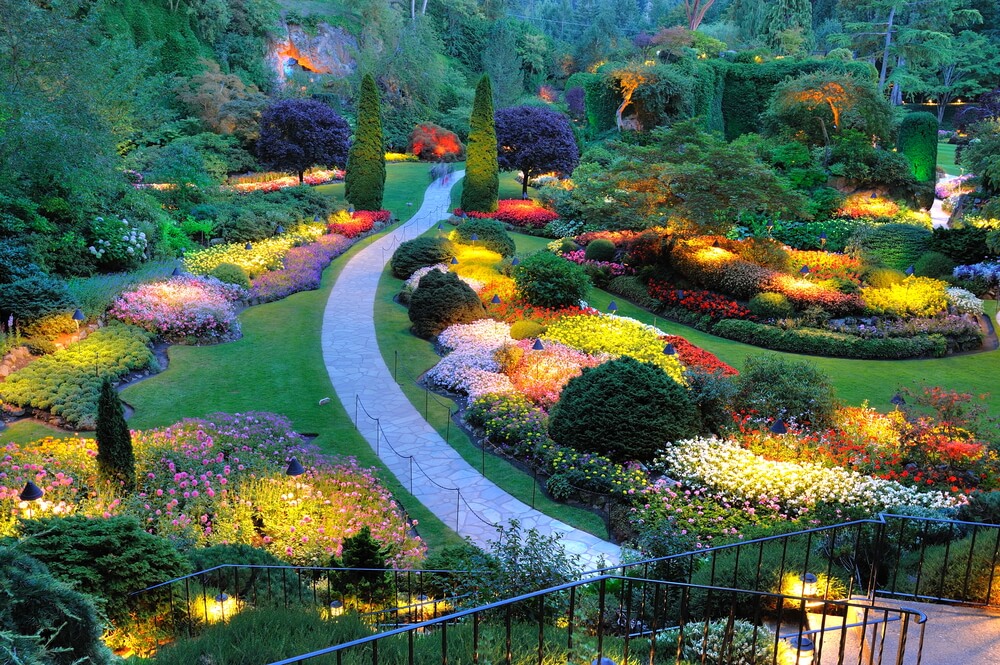
The garden isn’t just an ornamental space. It’s an ongoing work of art that brings freshness, color, and tranquility to your home. It doesn’t matter if you’re planting plants on your balcony or creating a complete backyard oasis; gardening connects the garden to the natural world in a truly rewarding way.
This is the place garden Advice HomeNumental is in a comprehensive method created to assist anyone, whether beginner or expert, plan, plant, and maintain a flourishing garden. From soil preparation to selecting plants as well as watering schedules and sustainable practices, this book will guide you step-by-step.
Considering the offer of Your Garden
Before you start planting, consider: Why do I need to have this particular garden?
Understanding your motives will influence the type of garden you will create.
You might want:
- A floral-filled area that adds beauty to your home.
- A productive vegetable garden for organic food.
- A tranquil getaway for reflection and relaxation.
- A low-maintenance landscaping that is suited to the demands of a hectic life.
The garden Advice homenumental approach begins with a clear understanding. Once you understand your objective, each design and planting decision is made simpler. For instance, an herb garden for the kitchen requires sun and easy access. On the other hand, Zen-style gardens benefit from simple shade.
Assessing Your Garden Space
Each garden has its own unique character. Before digging, think about your space carefully.
Evaluate Soil Type
The soil you are in is the basis of health for plants. There are three types of soil:
- Clay: High in nutrients, yet it is heavy and slow-draining.
- Sandy: Drains quickly but lacks nutrients.
- Loamy: An ideal mix of silt, sand, and clay, ideal for all plants.
If your soil isn’t perfect, don’t fret. Mix peat moss, compost, or manure to increase the texture and fertility.
Known Your Climate
Keep track of temperature changes, rainfall, as well as wind exposure. This can help you choose plants that are suitable for your local surroundings. In a garden with shade, you could have exotic plants, while open spaces are ideal for hardy plants.
Planning Your Garden Layout
Beautiful gardens don’t just happen on their own; they’re planned.
Begin by sketching a rough outline of your yard. Separate it into zones like:
- Borders or flower beds
- Herb or vegetable patches
- Places to sit or areas for pathways
- Corners for composting or storage
Design Tips
- Balance: Mix tall, medium, and short plants to create visual harmony.
- Color: Utilize complementary hues for a beautiful look all year round.
- Paths: Create gravel or steps for walkways to allow ease of mobility.
- Focus Points Include a water statue, a feature, or a tree to attract attention.
The garden’s design philosophy encourages functionality and flow. As a result, the space is natural and effortless to navigate.
Preparing the Soil
Healthy soil equals healthy plants. Making it well-prepared will ensure long-term results.
Step-by-Step Soil Preparation
- Clear the area: Remove weeds, dirt, and old roots.
- Remove the soil: Use a spade or tiller for an average of 6- 8 inches of depth.
- Add organic matter: Mix compost, manure, or leaves to enhance the nutrients.
- Verify pH levels: The majority of plants are tolerant of pH levels between 6.0-7.0.
- Include Mulch: Apply a layer of 3 to 4 inches in order to keep the moisture and cut down on the growth of weeds.
Composting is an essential part of gardening advice and monumental since it converts natural materials into nutritious plant food. Even compost bins that are small can make an enormous difference to the soil’s fertility.
Selecting the Perfect Plants
The right plant selection can be a matter of combining science and art. Your selections should reflect practicality and your personality.
How to select
- Find Plants that Match the Conditions: Place sun-loving species in sunny areas, and shade plants beneath walls or trees.
- Mix Perennials and Annuals: Annuals bloom brightly for a short time; perennials come back every year.
- Combine Beauty and Function: Grow herbs like rosemary, basil, and lavender. They have a wonderful aroma and look stunning while also being beneficial in cooking.
- Utilize native plants: They adapt easily to local weather and soil conditions and require less maintenance.
Follow gardening tips for home gardens. Try to create a diverse garden that includes a variety of plants, flowers, and plants that help pollinators like butterflies and bees.
The Right Concept Planting
Planting is simple enough, but the timing and method are important.
Steps for the right Planting
- Dig Properly: The hole should be twice as large as the diameter of your root ball.
- Loosen Roots: Untangle them gently to promote spreading.
- Place the plant correctly: Place the plant on its feet and spread the soil around it.
- Completely soak in water: Moisture helps roots establish themselves.
- Mulch around Base: It keeps weeds out and keeps hydration.
Avoid planting in extreme temperatures or when there is frost. The months of early autumn and spring are generally the best time to plant.
Watering and Irrigation
Water is the lifeblood for your garden; however, the balance is crucial.
Watering Methods
- Morning Watering: Helps prevent evaporation as well as mold.
- Drip Irrigation: Delivers water directly to the roots, thereby saving time and money.
- Soaker Hoses: distribute water evenly across gardens.
- Self-watering pots: Perfect for balconies and active gardeners.
Make sure to check the soil’s moisture frequently, and if the top of your soil feels dry, it’s time to soak it in water. In excess watering, roots are suffocated, which can lead to diseases; therefore, moderation is crucial.
Garden advice Homenumental suggests collecting rainwater into barrels to provide an environmentally-friendly option for irrigation.
Feeding and Fertilizing
Even soils that are rich in nutrients require regular nourishment to ensure the plants’ health.
Types of Fertilizers
- Organic: Bone meal, compost, and worm castings are slow-release and sustainable.
- Synthetic: Fast boosts nitrogen, Phosphorus, and potassium.
Feed your plants every 4-6 weeks throughout the growing season. Always water following each feeding to evenly distribute nutrients.
Natural fertilizers are a popular choice for HomeNumental experts to ensure soil health and prevent the build-up of chemicals.
Managing Weeds and Pests
Weeds compete for nutrients while pests ruin the hard work of. Effective prevention helps keep them in check.
Weed Control Tips
- Apply mulch evenly.
- Take care to pull weeds as they’re young.
- Utilize groundcover plants to shade unwanted growth.
Natural Pest Control
- Neem Oil: Repels many bugs without harm.
- Garlic spray: It discourages aphids as well as caterpillars.
- Companion planting: Grow pest-repelling plants like marigolds in the vicinity of the crops.
- Attract beneficial insects: Ladybugs, spiders, and birds aid in maintaining balance.
The garden suggests a homenumental strategy discourages chemical sprays, focusing on sustainable solutions to maintain a healthy ecosystem.
Routine Garden Maintenance
A beautiful garden requires consistency. Keep it in your routine for the week or daily.
Maintenance Checklist
- Weeding: Get rid of invaders every week.
- Pruning: Trim dead leaves and flowers to encourage new growth.
- The importance of watering is to maintain soil moisture; however, it should not be completely soaked.
- Fertilizing: You should follow a consistent feeding schedule.
- Monitoring: Watch for early symptoms of pests or disease.
Gardeners who are home-grown claim, “Ten minutes a day will keep your garden looking great throughout the year.” Small, daily attention is more efficient than frequent, long, arduous sessions.
Designing for Beauty and Function
Your garden should be pleasing to the eye and support your needs.
Aesthetic Design Ideas
- Layered planting: Place tall plants in the back, and smaller ones in the front.
- Color Harmony: Combine cool and warm colors to create harmony.
- Textures Blend smooth leaves and fuzzy or rough leaves to give a sense of depth.
- Lighting: Include fairy lights, solar, or other lighting for nighttime glamour.
A garden that is well-designed is more than only beautiful; it is warm and serene, which is the essence of garden advice, a monumental concept.
Sustainable Gardening Practices
Sustainable gardening ensures that your garden flourishes without causing harm to the environment.
Eco-Friendly Tips
- Composted Kitchen Waste: Scraps can be transformed into soil-building boosters.
- Harvest Rainwater: Reuse and store to help with irrigation.
- Utilize native plants: They save water and help local pollinators.
- Avoid chemical pesticides: Opt for organic pest control.
- Recycling Old Pots: Paint or creatively reuse them.
If you follow these guidelines, you’ll be able to create an environmentally-friendly garden that’s gorgeous and environmentally responsible.
Container and Balcony Gardening
Are you without an outdoor space? Don’t worry. You can still take pleasure in the lushness of a miniature garden.
Container Gardening Tips
- Use pots that have drainage holes.
- Choose soil mixes that are light in weight.
- Group plants with the same needs.
- Create vertical shelves or hang baskets to increase the space.
- More frequently, you drink water. Containers dry out faster.
Balcony gardens may include flowers, plants, or even dwarf fruit trees that are dwarf. Your best weapon is your imagination.
Developing a Relaxing Garden Space
The best garden cares for the plants and the people.
To build your relaxation zone:
- Include a hammock, a bench, or a swing chair.
- Utilize soothing elements, such as water fountains.
- Plant fragrant flowers such as lavender or jasmine.
- Incorporate soft lighting to create evening peace.
Your garden can become your personal retreat -it’s your refuge after long hours.
Tools Every Gardener Needs
Gardening with the right tools is enjoyable and effective.
Essentials:
- Wear knee pads and gloves to provide ease of use.
- Spade and hand trowel are used for planting.
- Pruning shears to trim.
- Rake and hoe for cleaning.
- The watering can or hose is used to hydrate.
- Compost bins for recycling waste.
Clean and store your tools in a proper manner to prolong their usefulness.
Safety and Garden Hygiene
Security ensures enjoyment for the long haul.
- Protect yourself with gloves. the thorns, insects and other pests.
- Make sure your tools are organized so you avoid falling.
- Hydrate during outdoor work.
- Wear hats and sunscreen in the summer heat.
- Cleanse pruning tools after cutting plants with disease.
The safety of your garden is protected by safe practices as well as the garden ecosystem.
Recording and Learning
Every season can teach lessons. Keep your own gardening journal to keep track of planting dates, as well as weather patterns and the growth rate. Include photos for tracking the changes.
This allows you to determine what is flourishing in your surroundings and what could be improved essential part of gardening advice and Homemumental’s continuing learning philosophy.
Typical Mistakes to Avoid
Even passionate gardeners make errors. Beware of these mistakes to avoid making mistakes:
- Overwatering: Causes root rot.
- Crowded plants: Limit the flow of air and hinder growth.
- Neglecting Soil Health: Causes deficiencies in nutrient levels.
- Using Harsh Chemicals: Damages soil microbes.
- Inattention to Maintenance: Results in weeds and insects.
A bit of mindfulness can help avoid stress and keep your garden healthy.
Final Thoughts
Gardening is more than just a pastime; it’s a way of life that requires dedication, patience, and improvement. By using the garden advice homenumental approach, you can create an area that matches your style, adds value to your home, and nurtures your soul.
There is no need to be an expert landscaper. Begin small, perhaps with small pots of plants or flowers. Then increase the size as you gain confidence. Every bloom, leaf, and harvest will bring back the beauty that unfolds when you are working with nature.
This guide is your road map. Learn, cultivate and have fun in your private garden. Your earth awaits for you to build the dream garden that you’re supposed to build.